
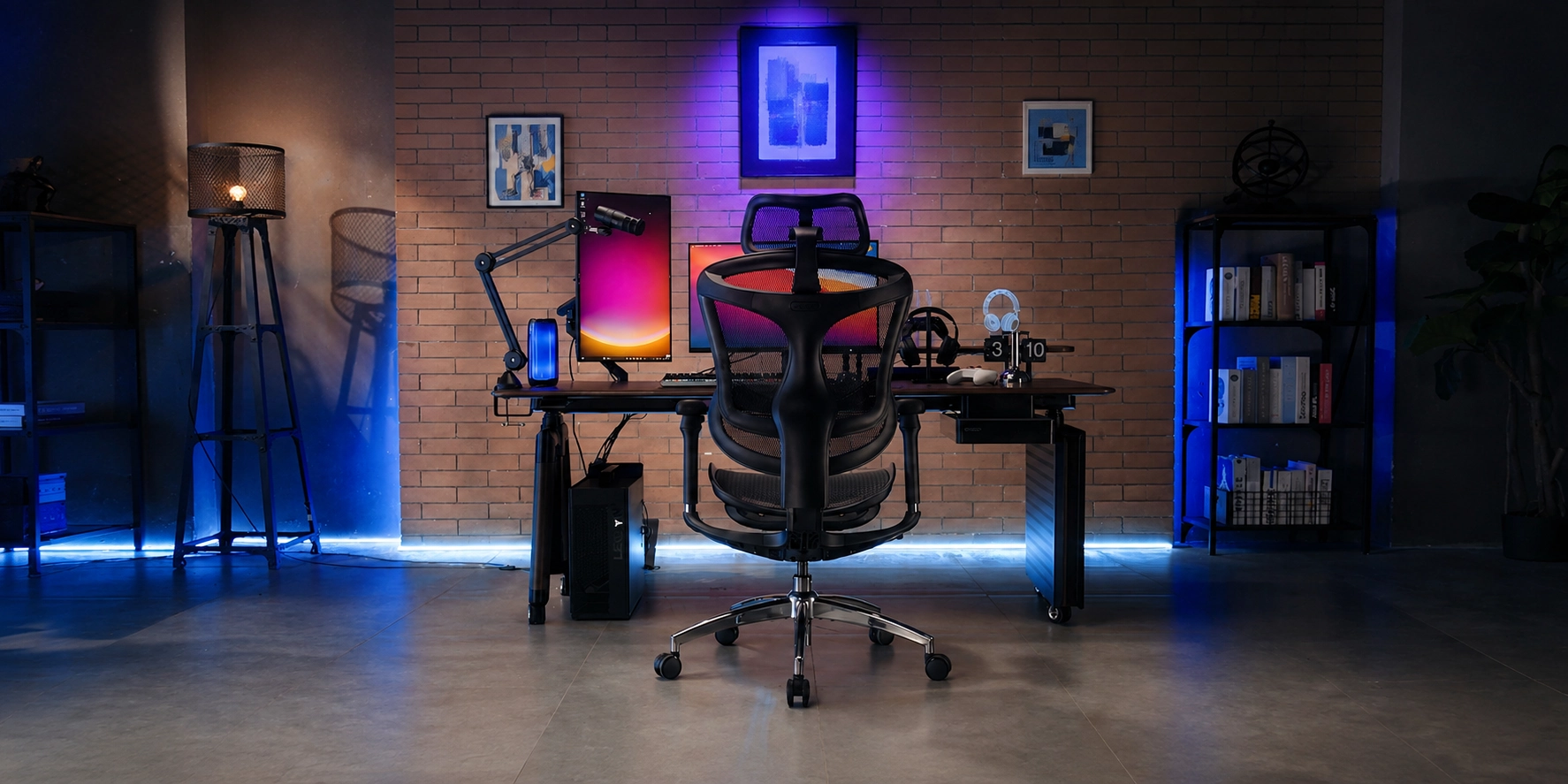
This Sihoo Doro C300 review looks at a chair that packs features normally associated with more expensive office chairs into a current price around $280: a flexible mesh back, self-adaptive lumbar support, coordinated 4D armrests, adjustable seat depth, an adjustable headrest, and weight-sensing recline. That combination makes it an attractive value option—but “adaptive” controls are not automatically better for every user.
The Doro C300 is worth considering if you want a breathable, highly featured chair on a moderate budget and prefer support that follows movement. Skip it if you want precise manual control over lumbar pressure, a long commercial warranty, or a simpler chair with fewer moving parts.
This review covers the Doro C300’s adjustability, seat fit, warranty, price, limitations, and best alternatives.
Quick Verdict
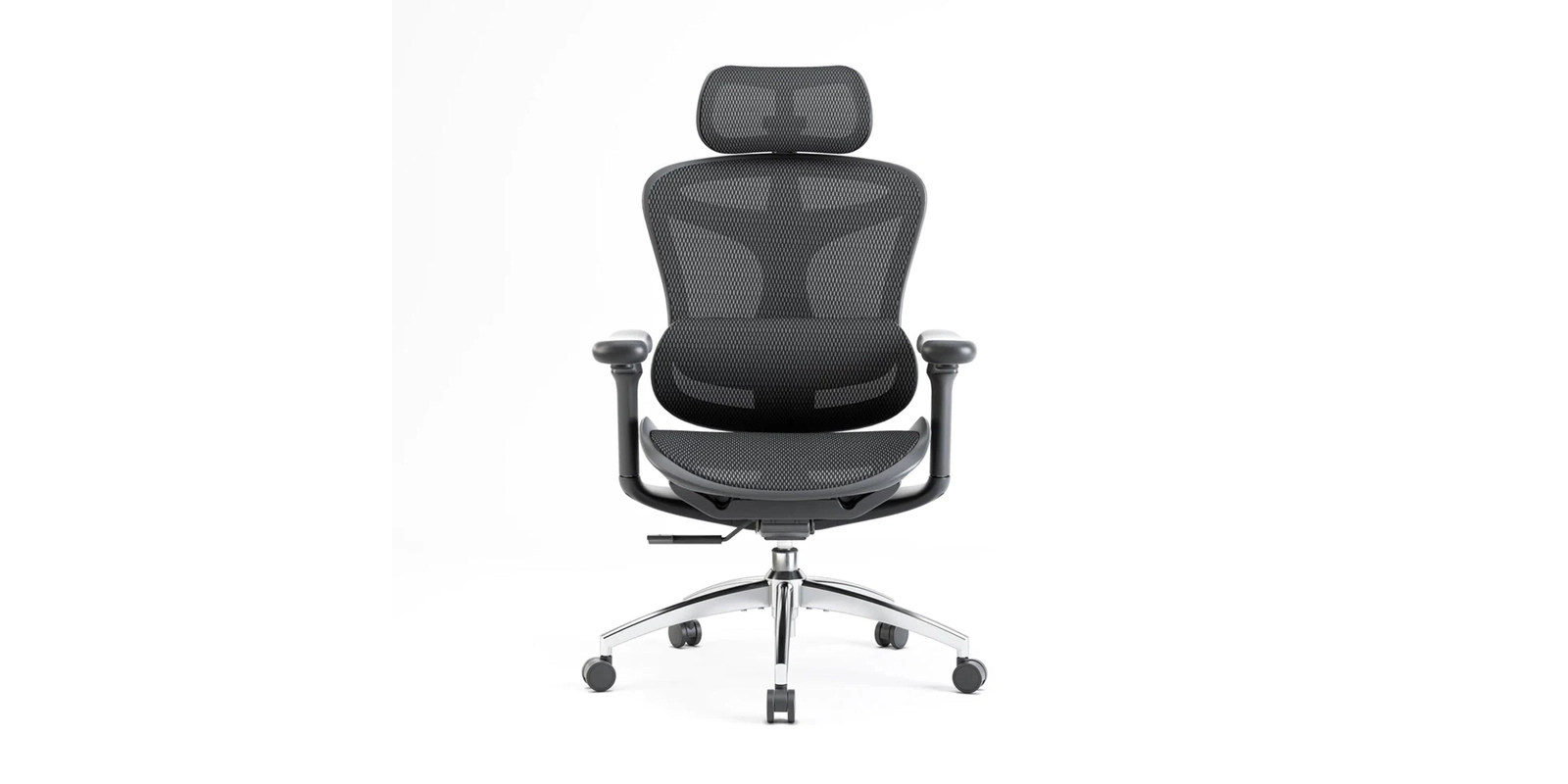
- Best for: Value-focused home-office buyers who want mesh, an included headrest, seat-depth control, and adaptive support.
- Skip if: You prefer a subtle manually positioned lumbar pad, need longer than three-year coverage, or cannot confirm the seat fits your body.
- Main strength: Broad adjustability and a 330-pound published capacity at a low price position.
- Main limitation: The adaptive system offers less direct control than independently adjustable lumbar height and depth.
- Value verdict: Very good on published features, provided the chair fits and the shorter warranty is acceptable.
Who Should Buy the Sihoo Doro C300?
The C300 is best suited to buyers who change position throughout the day and want the chair’s back and arm system to follow those changes. It is also compelling for someone who considers an included headrest essential but cannot justify premium-chair pricing.
Sihoo lists a maximum hip-width figure of about 20.3 inches, seat depth from roughly 17.1 to 18.1 inches, and overall dimensions of 28 by 28 by 42–49 inches. The official page publishes a 330-pound capacity. Those numbers should be checked against your body and workspace, because a capacity rating alone does not establish fit.
Who Should Skip It?
Skip the C300 if you want a firm, independently adjustable lumbar pad that stays exactly where you place it. Adaptive lumbar support can feel more noticeable to some users and too active to others. If longer warranty coverage is a priority, Branch and Haworth are worth comparing before you buy. The chair also arrives for assembly, so it is not the best choice for anyone requiring assembled delivery.
Core Features
Self-adaptive lumbar support
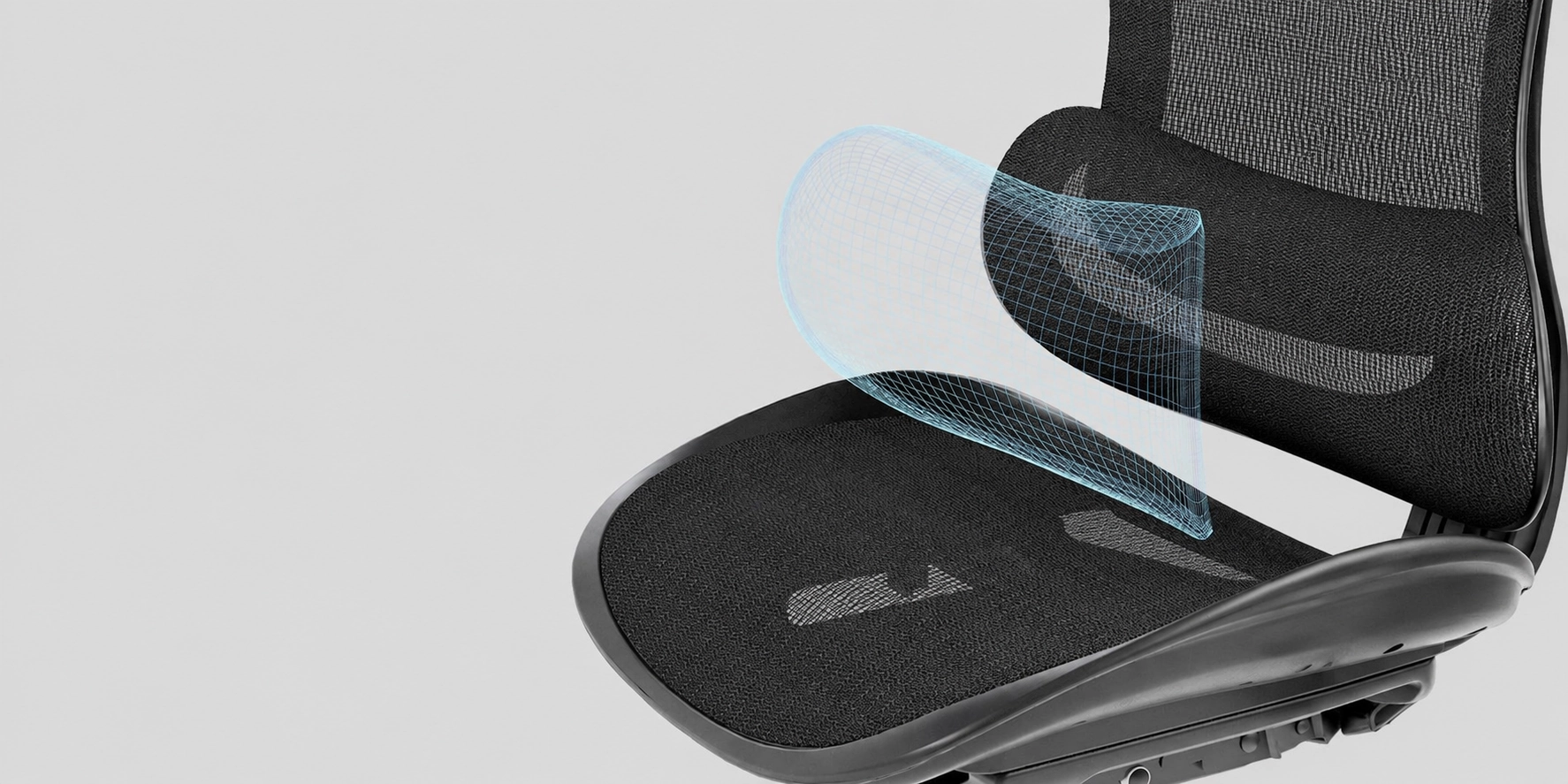
The Doro C300’s flexible back and lumbar assembly is designed to respond as the user leans or shifts. This may help maintain contact across different positions without constant manual adjustment. It does not treat back pain, correct posture, or guarantee comfort. The tradeoff is control: users cannot necessarily dial in lumbar height and depth with the same precision as a conventional adjustable pad.
Coordinated 4D armrests
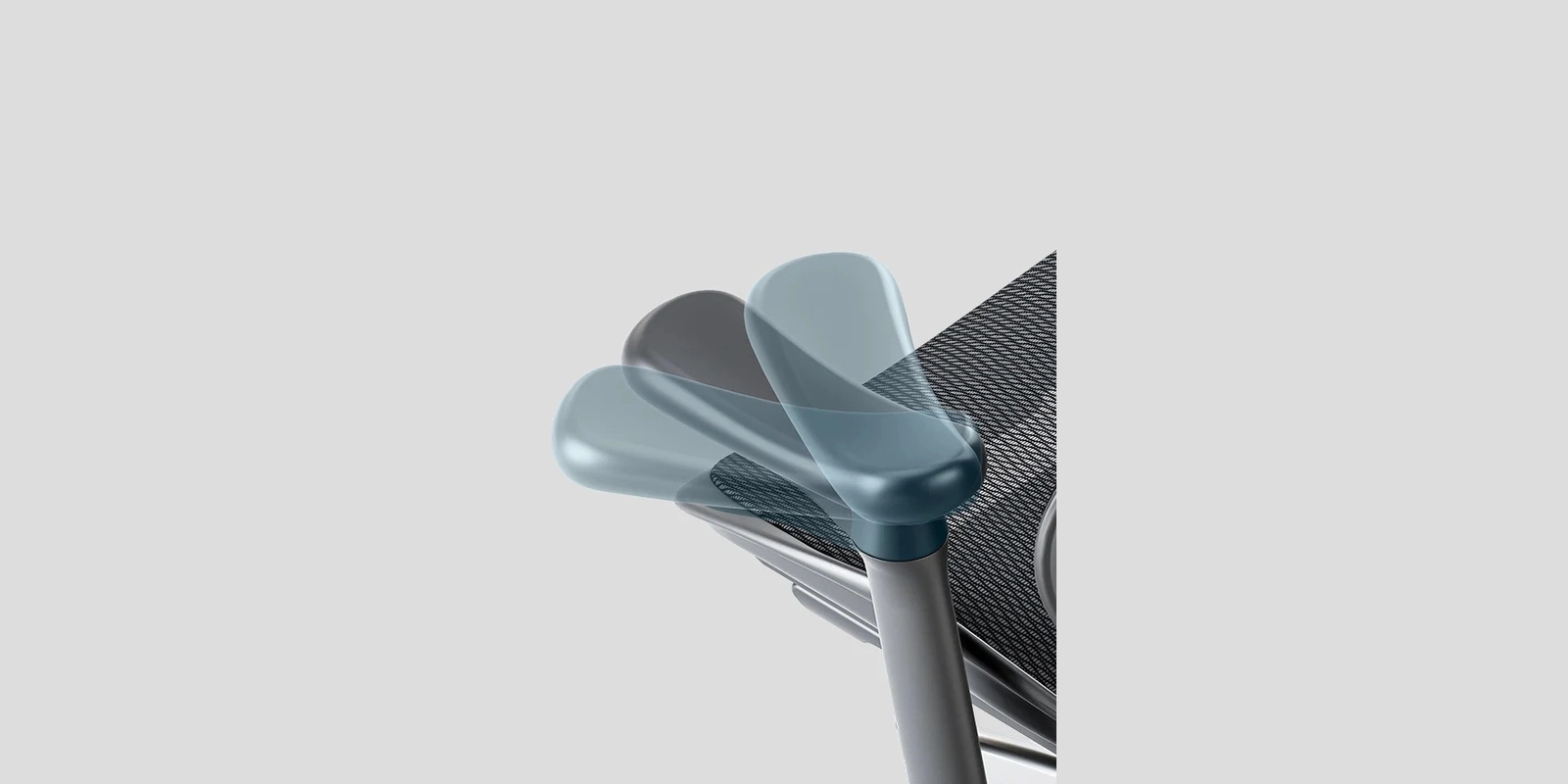
The armrests move in multiple directions and are designed to coordinate with recline. Multi-axis movement can help position the forearms for typing, mouse work, or reclining. Buyers should also consider whether the pads remain where set and whether their range clears the desk, since highly articulated arms can require more setup than basic height-adjustable designs.
Weight-sensing recline
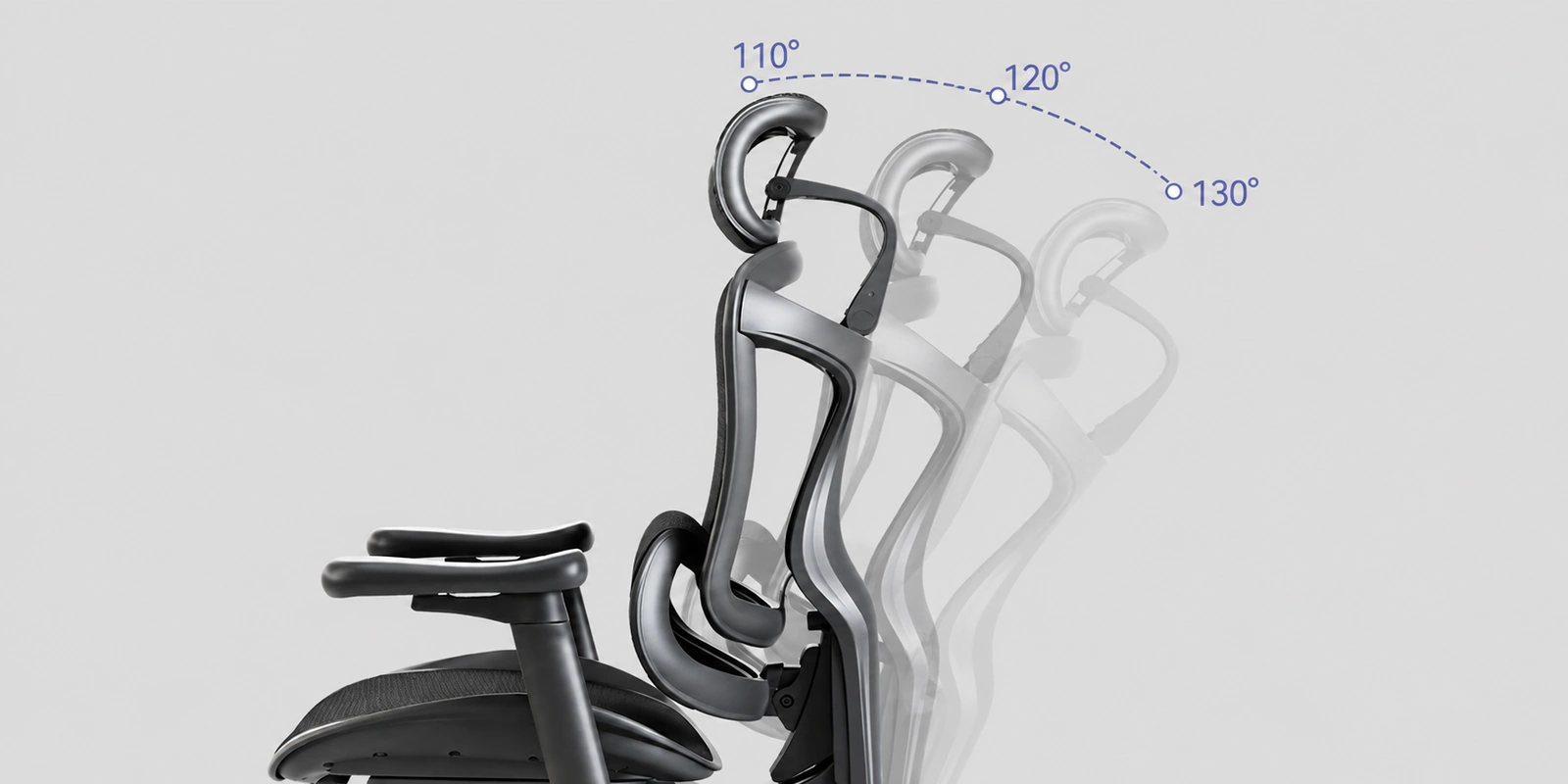
Sihoo’s mechanism is intended to adapt recline resistance to the user rather than requiring extensive tension setup. That can simplify configuration, but it gives the user less direct control than a broad manual tension range. Confirm the available recline positions and lock behavior on the current product page.
Adjustable headrest
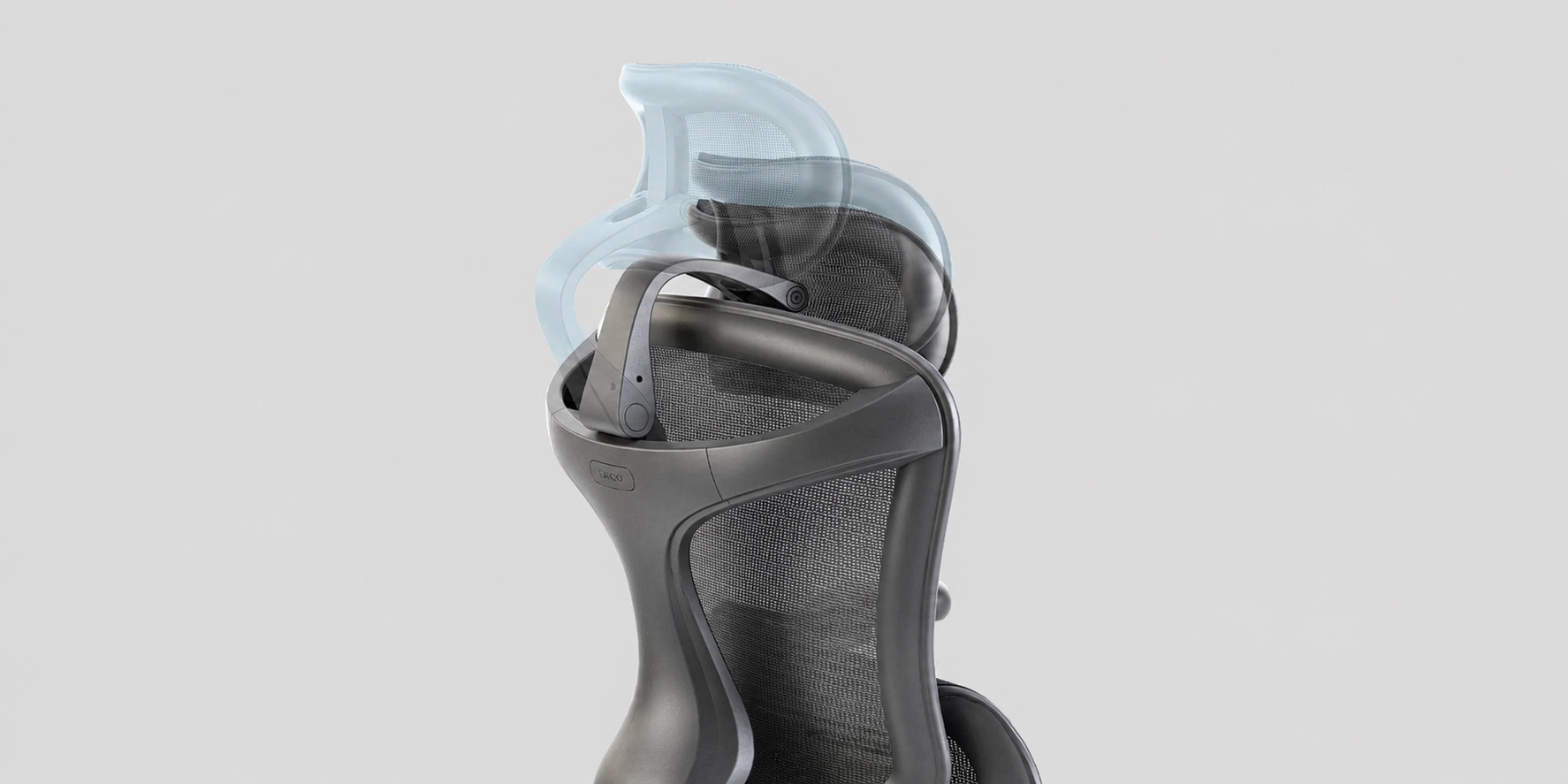
The included headrest adds value for buyers who recline. During upright keyboard work, it should meet the head without pushing it forward. Headrest fit depends heavily on torso height, so the presence of an adjustment mechanism is not enough to guarantee a useful position.
Mesh seat and back

Mesh promotes airflow and creates a different support feel from foam. Buyers sensitive to a firm seat frame or pronounced edge should make full use of the return window. Published materials cannot establish how the mesh will feel after several hours or how tension changes over time.
Seat Fit and Adjustability
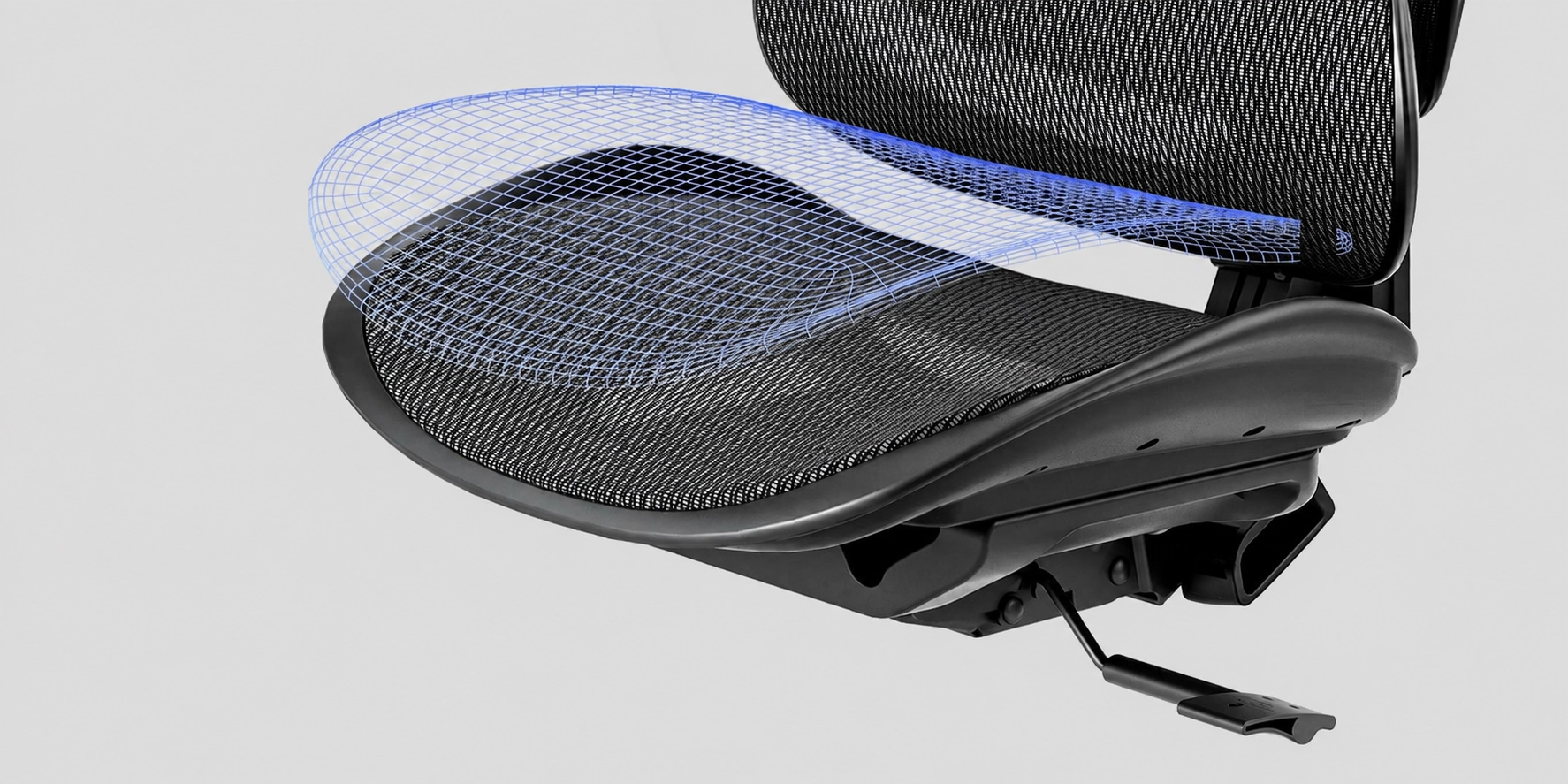
Seat depth is one of the most important C300 specifications. The roughly one-inch published range lets buyers change clearance behind the knees, though it is narrower than some premium chairs. The maximum hip-width guidance should be treated as a boundary and compared with the actual usable space between the arms.
Before ordering, measure:
- Your current comfortable seat height from floor to top of cushion.
- The distance from your back to just before the knee crease while seated.
- The space required between armrests.
- Desk underside clearance and desired elbow height.
- Floor and room space for a 28-inch chair footprint and recline.
Long-Session Comfort and Ergonomic Fit
The C300’s breathable mesh, recline, adaptive lumbar support, and adjustable armrests can help users change position throughout the workday. The headrest may also be useful during breaks or reclined reading. For long sessions, the more important question is whether the chair’s seat depth, lumbar contact, armrest range, and recline behavior match your body and workstation.
Comfort can still vary significantly from person to person. Buyers who are sensitive to lumbar pressure or firm seat edges should pay particular attention to fit during the return window. It is also worth checking that the armrests clear the desk and that the available recline positions suit how you work. Regular position changes and movement breaks remain important even with a highly adjustable chair.
Build, Dimensions, and Assembly
Sihoo lists overall dimensions of approximately 28 inches wide by 28 inches deep, with height varying from 42 to 49 inches. Published product weight is about 50.9 pounds. Assembly is required. The weight suggests a substantial mechanism, but it does not itself prove durability.
The company’s documentation establishes components and dimensions; it does not independently verify long-term mesh tension, fastener retention, caster quality, or control noise. Preserve packaging during the return period and inspect every component during assembly.
After assembly, work through one control at a time rather than changing everything at once. Start with seat height and depth, then set the arms around the desk, and finally assess the headrest and lumbar response. That sequence makes it easier to identify which setting improves or worsens the fit.
Warranty, Returns, and Shipping
The current official product page lists a three-year warranty, 30-day free returns, free shipping, and an estimated five-to-seven-day delivery window for the United States and Canada. Buyers should review Sihoo’s warranty policy and returns policy before purchase, since eligibility, packaging, and geographic conditions can change.
Three years is a reasonable term at this price but short compared with the Branch Ergonomic Chair Pro’s seven years and Haworth Fern’s 12 years. Long-term buyers should factor that gap into value rather than comparing prices alone.
Price and Value
Sihoo displayed the Doro C300 at about $279.99 during research. That price is volatile and may reflect a promotion. The value case comes from the combination of adjustable depth, coordinated 4D arms, headrest, mesh construction, adaptive lumbar support, and 330-pound published capacity.
It is not automatically a better value than a simpler chair. If the adaptive lumbar does not suit you or the seat dimensions are wrong, extra features have little value. Check the exact model name because Sihoo also offers C300 Pro variants at different prices and specifications.
Pros and Cons
Pros
- Competitive current price for the published feature set.
- Mesh seat and back support airflow.
- Self-adaptive lumbar system follows position changes.
- Coordinated 4D armrests and adjustable headrest are included.
- Seat-depth adjustment improves fit potential.
- Published 330-pound weight capacity is relatively high for its price class.
- Official page lists free shipping and 30-day free returns.
Cons
- Adaptive lumbar support offers less direct height-and-depth control than independently adjustable lumbar designs.
- Three-year warranty is shorter than Branch and Haworth coverage.
- Assembly is required.
- Similar C300 and C300 Pro names create version risk.
Sihoo Doro C300 vs. Branch Ergonomic Chair Pro
Choose the Doro C300 if your budget is the priority and you want an included headrest, higher published capacity, and an adaptive back. Choose the Branch’s Ergonomic Chair Pro if you want more direct lumbar tuning, forward tilt, a seven-year warranty, and a more conventional task-chair presentation.
The observed price difference was roughly $219, before options and promotions. That gap is meaningful, but warranty length and control preference may justify Branch’s premium. A dedicated Branch Ergonomic Chair Pro vs. Sihoo Doro C300 comparison will provide a deeper side-by-side look at fit, controls, warranty, and value.
Alternatives
Branch Ergonomic Chair Pro
The strongest step-up alternative for buyers who want a longer warranty and more direct control. Its headrest is optional and capacity is lower, but its overall task-chair package is more deliberate.
Haworth Fern
A premium alternative with a flexible back, broad configuration options, assembled delivery, and much longer warranty coverage. The Fern costs substantially more than the Doro C300, but it may make more sense for buyers who prioritize long-term ownership, service support, and premium configuration choices.
Eureka Ergonomic Onyx
A much cheaper, simpler chair for buyers who need flip-up arms and basic lumbar support. It lacks the C300’s seat-depth control, articulated arms, headrest, and broad adaptive system.
Should You Buy the Sihoo Doro C300?
Buy it if you fit the published dimensions, want a feature-rich mesh chair below the Branch Pro’s price, and accept three-year coverage. The Doro C300’s strongest case is value, particularly for buyers who like movement-following support.
Skip it if lumbar pressure sensitivity is a concern, you need longer coverage, or you prefer direct manual adjustment over adaptive mechanisms. Keep the packaging and evaluate every permitted position within the live return window.
View Sihoo Doro C300FAQ
Q: Is the Sihoo Doro C300 good for long hours?
A: Its mesh surfaces, recline, seat-depth adjustment, and adaptive back make it relevant for long work sessions, but comfort for a full workday still depends on individual fit and workstation setup.
Q: Is the Doro C300 lumbar support adjustable?
A: Sihoo describes it as self-adaptive: it is designed to respond to movement rather than operate like a conventional pad with fully independent manual height and depth controls.
Q: What is the Doro C300 weight capacity?
A: The current official product page lists 330 pounds. Confirm the live specification and follow all manufacturer limits.
Q: What is the Doro C300 warranty?
A: Sihoo lists a three-year warranty on the current product page, subject to its current conditions and geographic eligibility.
Q: Is the Doro C300 the same as the C300 Pro?
A: No. Sihoo sells multiple C300-family variants. Product names, features, price, and availability can differ, so confirm the exact SKU before buying.
Final Recommendation
The Sihoo Doro C300 is a strong value candidate, not a universal comfort winner. It brings seat-depth adjustment, adaptive lumbar support, coordinated arms, headrest, and mesh construction into an accessible price tier. Its shorter warranty and less-direct lumbar control are the key compromises. Measure carefully and verify the exact model and policies at checkout.
Affiliate disclosure: Some links on Verivolab may be affiliate links. If you purchase through an affiliate link, we may earn a commission at no additional cost to you. This does not affect how we evaluate products.